
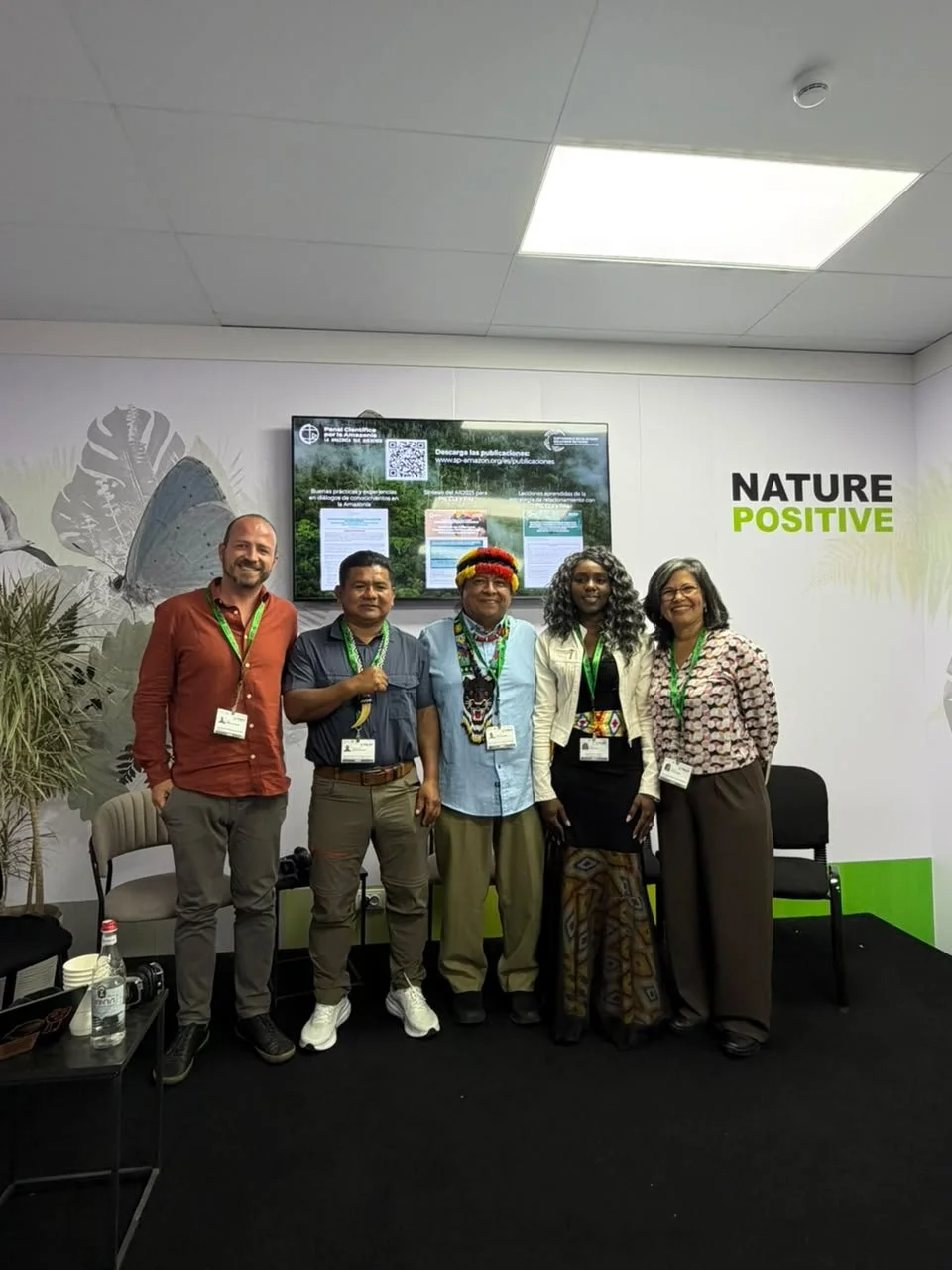
The Science Panel for the Amazon (SPA) brought perspectives from Amazonian science, Indigenous Peoples, Local Communities, and Afrodescendant Peoples to the 17th Conference of the Parties to the Convention on Biological Diversity (CBD COP17), held in Yerevan, Armenia, from October 19 to 30, 2026.
Through two events organized by the SPA on October 21 and 22, the Panel contributed to discussions on the role of diverse knowledge systems in biodiversity conservation, territorial governance, and scientific collaboration across the world’s major tropical forest regions. Both events highlighted the importance of connecting scientific evidence, Indigenous, Local, and Afrodescendant Knowledge, and policy processes to advance the Kunming-Montreal Global Biodiversity Framework (KMGBF).
Separately, on October 20, Marielos Peña-Claros, SPA Co-Chair, also participated in “Area-based Conservation Futures: Exploring the Role of Indigenous and Traditional Territories in Achieving the GBF,” a side event organized by Wageningen University & Research and partners at the Netherlands Pavilion. She highlighted the SPA’s experience developing and implementing its engagement strategy with Indigenous Peoples and Local Communities.
Bringing Indigenous and Local Knowledge into Biodiversity Policy
On October 21, the SPA convened “Indigenous and Local Knowledge for Amazon Biodiversity: Science, Territory, and Policy” at the Nature Positive Pavilion in the Blue Zone.
Drawing on the SPA’s 2025 Amazon Assessment Report (AR2025) and its Synthesis for Indigenous Peoples, Local Communities and Afrodescendant Peoples, the session explored how different knowledge systems can inform Amazon conservation and territorial governance.
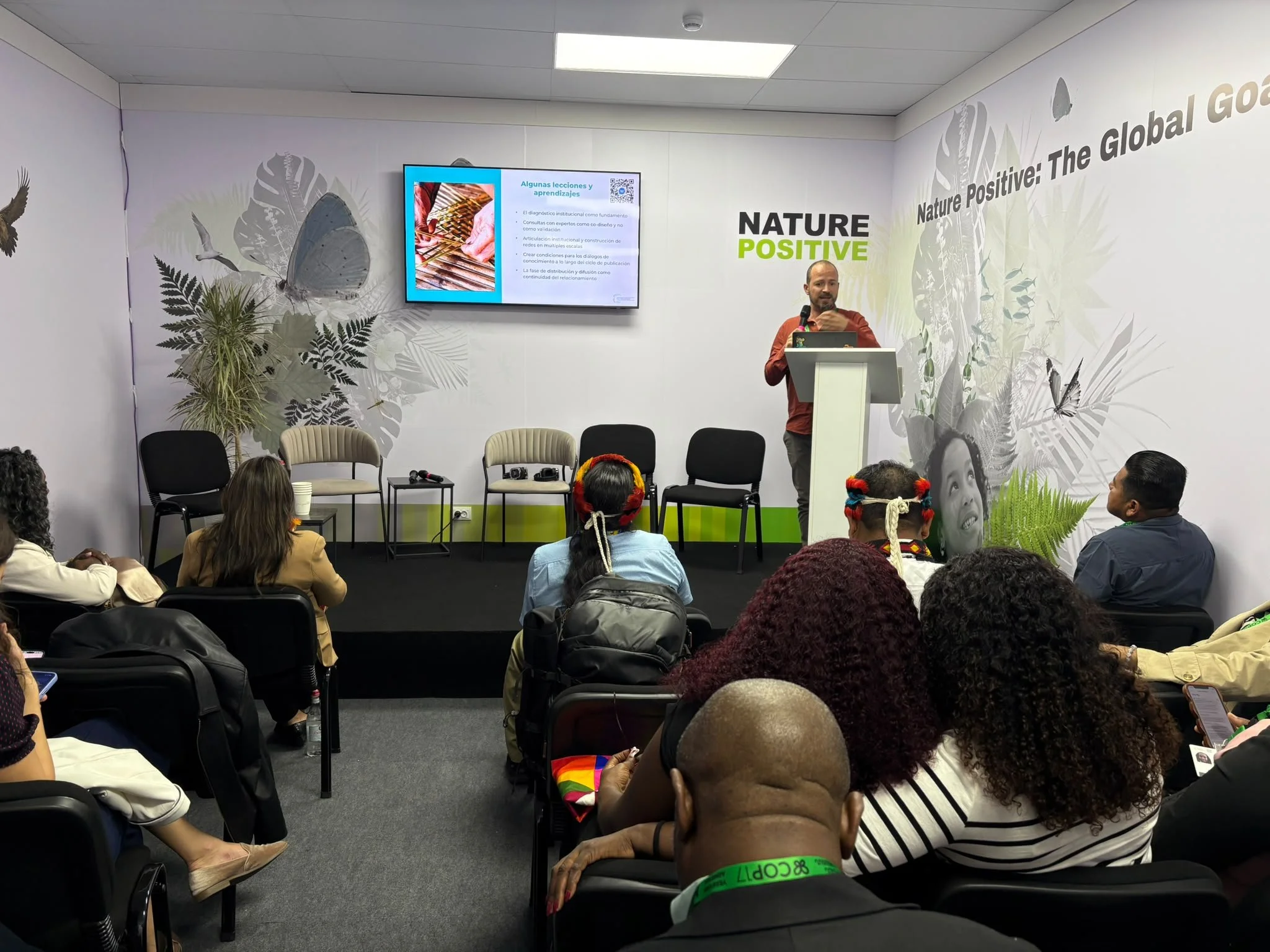
Following opening remarks by Marielos Peña-Claros, SPA Co-Chair, André Junqueira, SPA’s consultant on engagement with Indigenous Peoples, Local Communities, and Afrodescendant Peoples, presented the Panel’s engagement strategy and lessons learned.
The discussion featured Fany Kuiru, General Coordinator of the Coordinator of Indigenous Organizations of the Amazon Basin (COICA) and SPA member; Juan Carlos Jintiach, Executive Secretary of the Global Alliance of Territorial Communities (GATC); Francy Conú Mejía, from Colombia’s Proceso de Comunidades Negras (PCN); and Daniel Santi, President of the Kichwa People of Sarayaku Organization from the Ecuadorian Amazon.
The exchange emphasized the importance of recognizing the knowledge, experiences, and governance systems of Indigenous Peoples, Local Communities, and Afrodescendant Peoples in biodiversity conservation and decision-making.
Three Tropical Forests, One Global Agenda
On October 22, the SPA joined the Science Panel for the Congo Basin (SPCB) and the Science Panel for Borneo (SPB) for “Three Tropical Forests, One Global Agenda: Science for Biodiversity and Sustainable Development,” convened by the UN Sustainable Development Solutions Network (SDSN) at the GEF Pavilion.
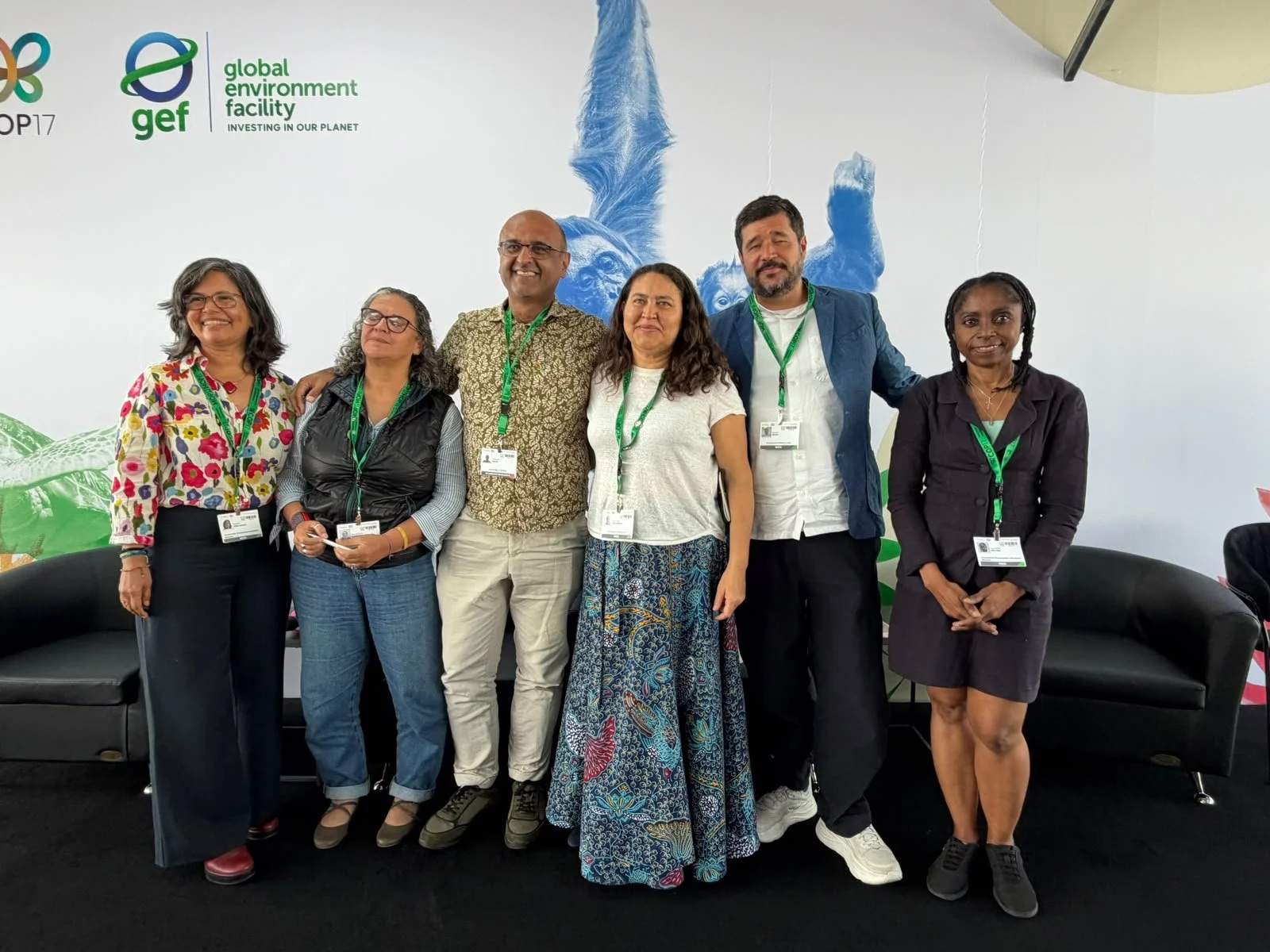
Following opening remarks by Marielos Peña-Claros, Pascal Martinez, Forests and Wildlife Thematic Lead at the Global Environment Facility (GEF), delivered the keynote. Marielos then presented findings from the SPA’s AR2025, alongside presentations by Jatna Supriatna, SPB Co-Chair, and Lydie-Stella Koutika, SPCB Co-Chair.
A panel discussion brought together Yadvinder Malhi, Professor at the University of Oxford and member of the SPA and SPCB; Rita Mesquita, National Secretary for Biodiversity, Forests and Animal Rights at Brazil’s Ministry of Environment and Climate Change; Marie-Claire Paiz, Congo Basin Program Director at The Nature Conservancy; and Marcelo Behar, Special Envoy for the Bioeconomy to the COP30 Presidency. Moderated by Marielos Peña-Claros, the discussion addressed regional assessment findings, strategies to halt and reverse biodiversity loss by 2030, evidence-based decision-making, and partnerships to translate knowledge into policy and action.
The event highlighted the value of South-South scientific collaboration, sustained investment in tropical forest science, and the interweaving of scientific, Indigenous, and Local Knowledge to address shared biodiversity and sustainable development challenges.
Connecting Knowledge and Regional Collaboration
Together, the two events highlighted complementary dimensions of the SPA’s and SDSN’s work: strengthening the recognition of Indigenous and Local Knowledge in biodiversity decision-making and fostering scientific collaboration across tropical forest regions.
As countries work towards the goals of the KMGBF, these exchanges underscored the importance of inclusive knowledge processes, evidence-based policies, and regional cooperation for the conservation and sustainable development of the Amazon.
