
In September 2026, global leaders and stakeholders gathered in New York City for the 81st session of the United Nations General Assembly (UNGA 81) and Climate Week NYC. Discussions addressed the escalating climate and biodiversity crises, geopolitical tensions, and the role of science and international cooperation in advancing sustainable development.
Against this backdrop, the UN Sustainable Development Solutions Network (SDSN) and its partners convened scientists, policymakers, Indigenous Peoples, financial leaders, and youth representatives to explore pathways toward a sustainable future. The Science Panel for the Amazon (SPA) played a central role in discussions on strengthening scientific collaboration, maintaining ecological connectivity, and mobilizing finance for tropical forests.
September 16: Connecting Science Across Generations
As part of the Science Summit, the SPA hosted “Science Across Generations: From Regional to Global Connectivity,” bringing together scientists and members of the Panel’s Youth Advisory Committee (YAC) to discuss findings from the Amazon Assessment Report 2025.
Drawing on Chapter 1 of the report, participants explored how connectivity across the Andes, Amazon, and Atlantic links rivers, forests, and atmospheric moisture flows to regional and global climate processes. The discussion highlighted the consequences of deforestation and forest degradation for rainfall, water availability, and communities across South America.
Speakers also emphasized the role of Indigenous Territories, Protected Areas, and community monitoring in maintaining ecological connectivity. YAC members contributed perspectives on conservation finance, climate preparedness, scientific communication, and the importance of recognizing Indigenous and local knowledge in decision-making.
September 22: Strengthening Tropical Forest Science and Collaboration
The Science Panel for the Congo Basin (SPCB) hosted “The Science Panel for the Congo Basin: A Dialogue on the Assessment Report 2025,” highlighting findings from its Congo Basin Assessment Report. The discussion examined the basin’s importance for carbon storage, freshwater systems, biodiversity, and climate regulation, while drawing attention to gaps in scientific data, research investment, and institutional capacity.
The three SDSN science panels — the SPA, SPCB, and Science Panel for Borneo (SPB) — also convened “Nature as Critical Infrastructure: Amazon, Congo and Borneo,” which examined the value of tropical forest ecosystems in achieving stability and development and emphasized the importance of investing in nature as infrastructure and designing financing instruments that incorporate nature into development strategies and investment decisions.
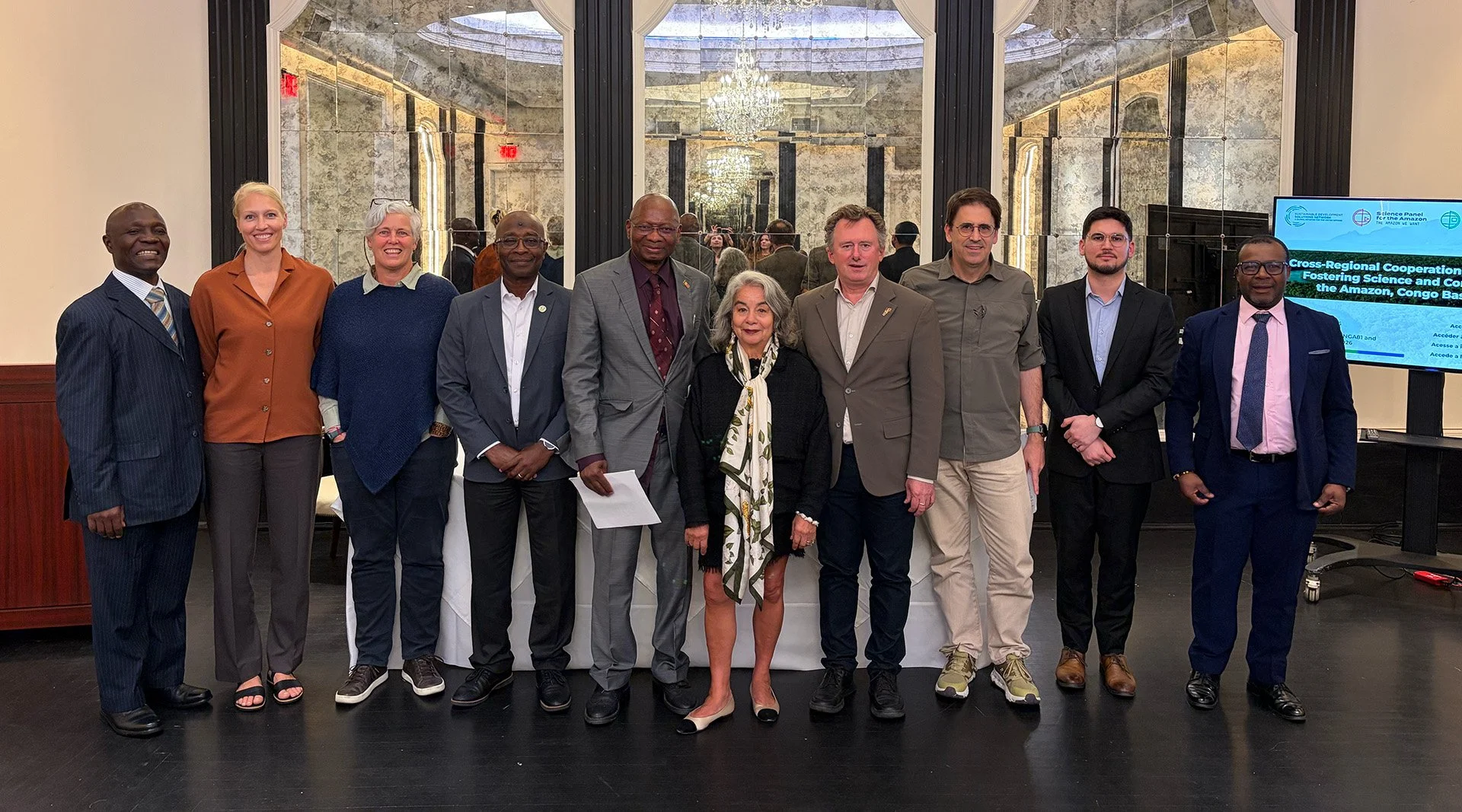
The panels further organized “Cross-Regional Cooperation for Tropical Forests: Fostering Science and Conservation Across the Amazon, Congo Basin, and Borneo.” Speakers discussed shared pressures, including deforestation, degradation, and fires, and the importance of building scientific networks across tropical forest regions. Proposed areas for collaboration included joint research, shared monitoring infrastructure, student mobility, and more accessible scientific communication. Participants also highlighted the need to align research priorities with Indigenous and local knowledge and to strengthen youth participation in science-policy processes.
September 23: Building a More Connected Amazonian Research Community
As part of the Science Summit, the SPA hosted “Building the Research We Need: Toward an Integrated Research Environment in the Amazon,” marking the launch of the white paper Supporting a Thriving, Integrated, and More Equitable Science Community Across the Amazon.
The discussion highlighted a central paradox: despite decades of scientific research on the Amazon, researchers and scientific institutions across the basin remain fragmented, with many collaborations oriented toward institutions outside the region. Participants called for more equitable research funding, stronger regional networks, long-term institutional support, and partnerships that place Amazonian institutions and knowledge holders at the center of research agendas.
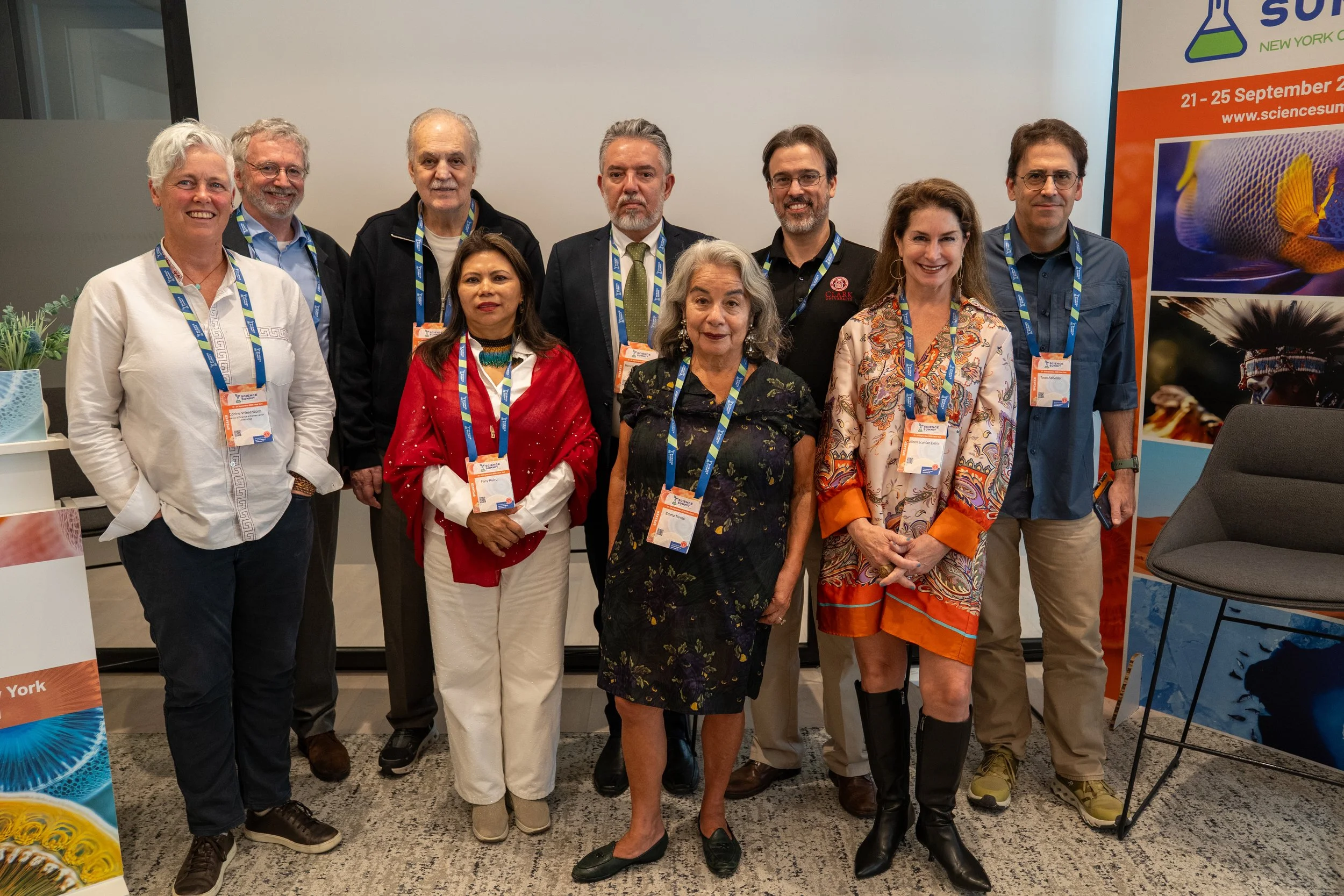
Following opening remarks by Roberto Waack, member of the SPA Strategic Committee, SPA Co-Chair Carlos Nobre reflected on the legacy of major Amazon research initiatives and the importance of strengthening regional scientific capacity. White paper lead author Corine Vriesendorp presented the paper’s findings and recommendations. The discussion featured Henrique dos Santos Pereira, Director of Brazil’s National Institute of Amazonian Research (INPA) and SPA member; Gustavo Oliveira, Professor at Clark University and SPA member; Tasso Azevedo, Founder and General Coordinator of MapBiomas and SPA member; Colleen Scanlan Lyons, Director of the Governors’ Climate and Forests Task Force and SPA member; and Fany Kuiru, General Secretary of the Coordinator of Indigenous Organizations of the Amazon Basin (COICA) and SPA member. Emma Torres, SPA Strategic Coordinator, delivered closing remarks.
Speakers emphasized the need to connect existing scientific networks, map expertise across the basin, improve access to research infrastructure, and support lasting collaborations. They also called for research partnerships that direct resources to Amazonian institutions, strengthen local leadership, promote multilingual scientific communication, and recognize Indigenous and local knowledge.
On the same day, Carlos Nobre received the 2026 Thomas E. Lovejoy Prize for Leadership in Amazon Science and Conservation. The award recognized more than four decades of scientific contributions and leadership advancing understanding of the Amazon and its relationship with the global climate. Read more about the award.
September 24: The Future of Multilateralism: Leadership for a Changing World
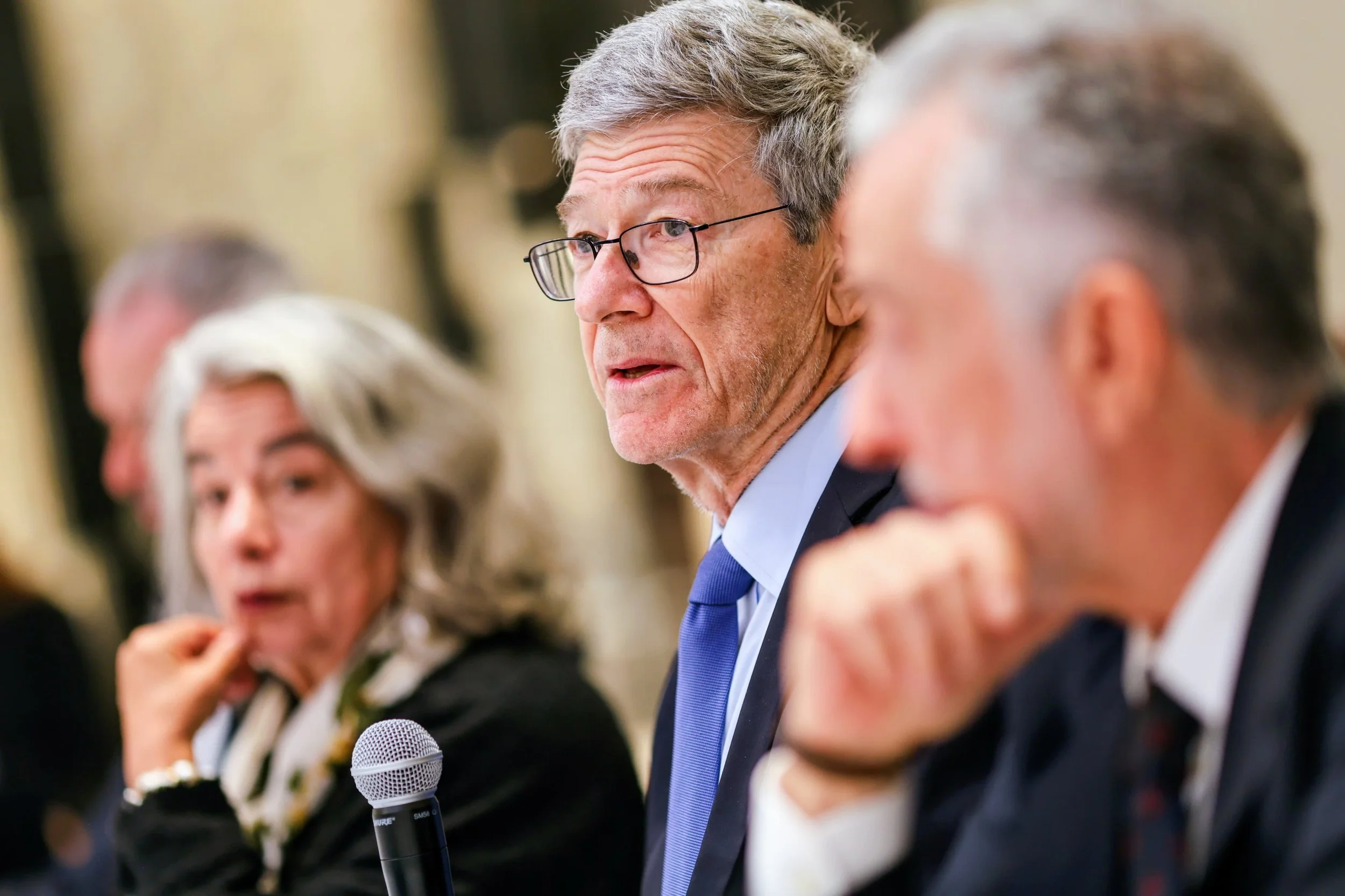
On September 24, the SDSN and the Brazilian Center for International Relations (CEBRI) convened a high-level discussion, “The Future of Multilateralism: Leadership for a Changing World,” bringing together leaders to examine how international cooperation can respond to a changing geopolitical landscape. The event opened with remarks from Emma Torres, SDSN Vice President of the Americas and Strategic Partnerships, and José Pio Borges, Chairman of the Board of Trustees at CEBRI. Jeffrey Sachs, President of the SDSN, delivered a keynote address and moderated the discussion, while Ambassador Antonio Patriota delivered a keynote address and closing reflections.
The event brought together a select group of high-level participants, including presidents, ambassadors, and United Nations representatives, for a dialogue on the crisis of multilateralism, the shift toward a multipolar world, and the need to reform the United Nations and international financial institutions to make them more representative, inclusive, and effective. Speakers emphasized respect for international law, stronger regional and transregional partnerships, and the role of emerging and developing countries in shaping global governance. They also highlighted the importance of strengthening existing institutions, building coalitions, and translating political commitments into practical action. On climate change and sustainable development, participants underscored the need to connect scientific knowledge with political decision-making and ensure that multilateral cooperation responds to people’s needs.
September 24: Financing Tropical Forests and Advancing River Connectivity
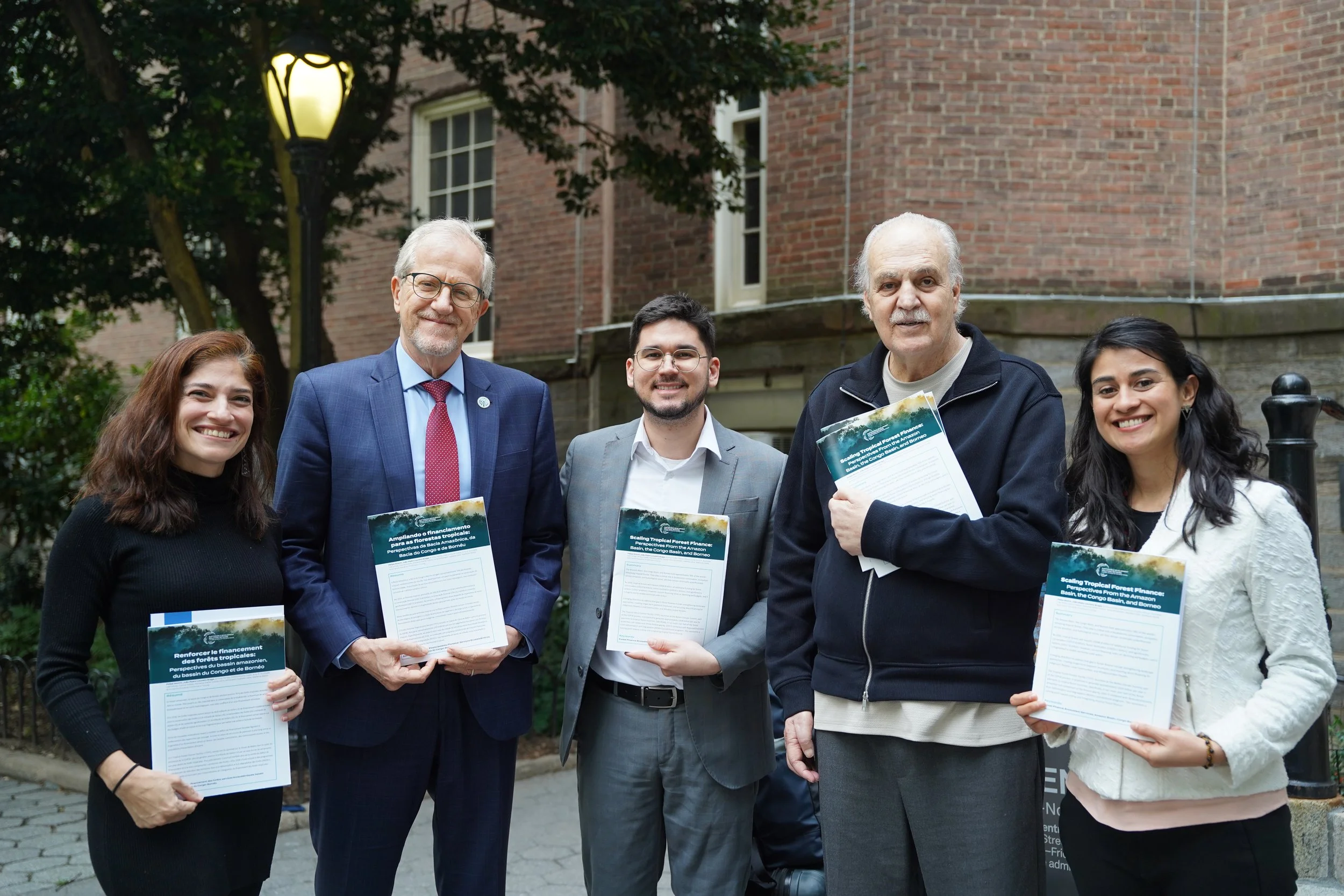
Also on September 24, the SDSN and WWF co-hosted “Scaling Tropical Forest Finance: Science and Finance for the Amazon Basin, Congo Basin, and Borneo,” marking the launch of the issue brief Scaling Tropical Forest Finance: Perspectives from the Amazon Basin, the Congo Basin, and Borneo, developed by the three tropical forest science panels. Felipe Storch, member of the SPA Youth Advisory Committee (YAC) and co-lead author of the brief, presented its findings. The brief examines the global importance of tropical forests for biodiversity conservation, ecosystem service provision, and hydrological cycles, the financing gap for their conservation and restoration, and opportunities to mobilize more sustained investment. The discussion highlighted the need to improve data on nature-related risks, align financial incentives with conservation, and combine public, private, and philanthropic resources. Participants also discussed emerging mechanisms such as the Tropical Forests Forever Facility (TFFF) and stressed that financing must reach countries and communities on the ground.
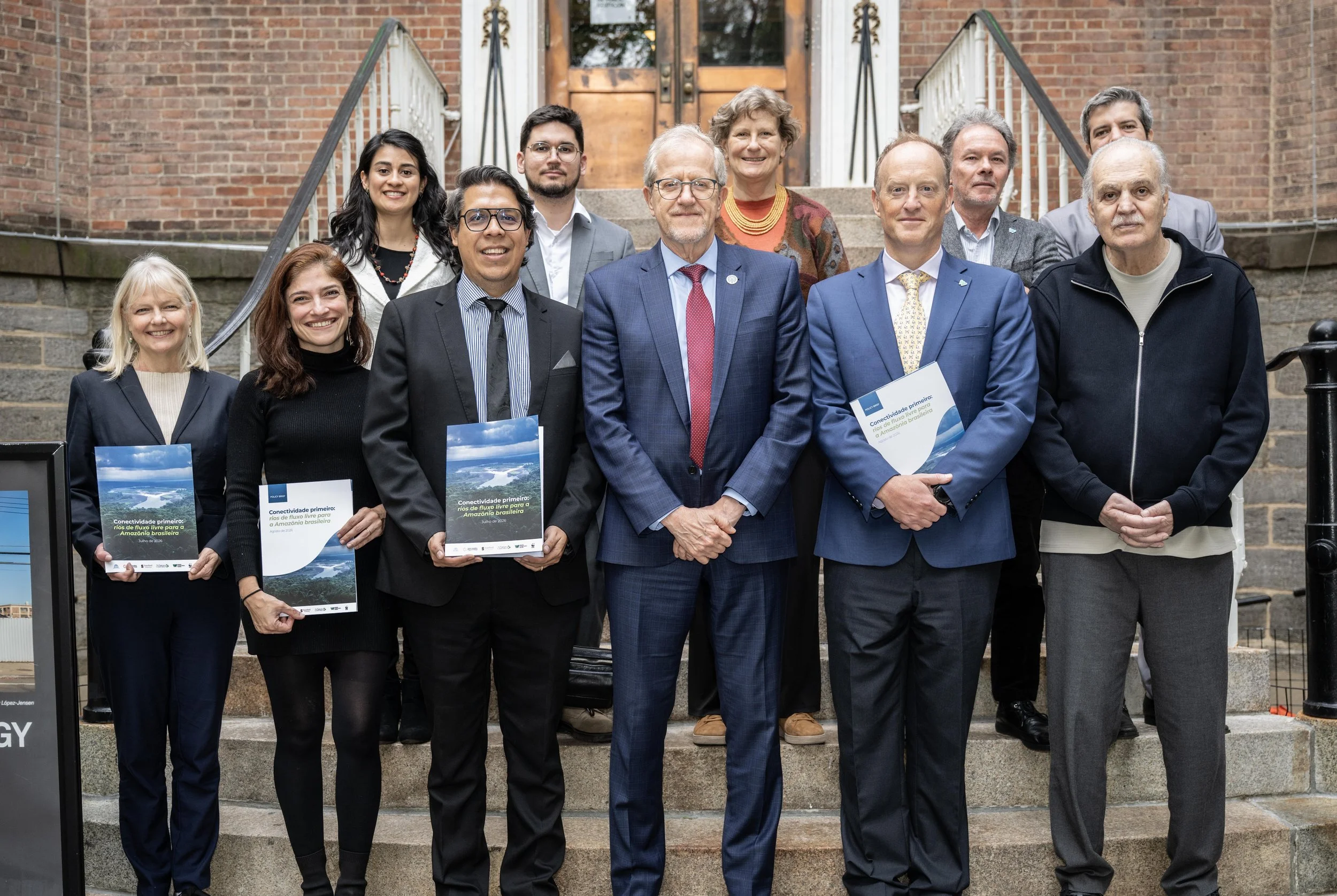
Later that day, the SPA, together with the Amazon Waters Alliance, Stanford University, The Nature Conservancy, the Wildlife Conservation Society (WCS), and WWF, presented the policy brief “Connectivity First: Free-Flowing Rivers for the Brazilian Amazon.” The analysis identifies 19 rivers critical to connectivity in the Brazilian Amazon and the wider Amazon Basin, emphasizing the connections among rivers, wetlands, peatlands, and forests and the importance of maintaining these interconnected systems. Both the river connectivity brief and the tropical forest finance brief were shared with João Paulo Ribeiro Capobianco, Brazil’s Minister of the Environment and Climate Change.
Connecting Science, Policy, and Finance
Across UNGA 81 and Climate Week NYC, the Science Panel for the Amazon and its partners highlighted the importance of connecting scientific evidence with policy decisions and financing, strengthening collaboration across tropical forest regions, and recognizing the knowledge and leadership of Indigenous Peoples, Local Communities, and young people. From building a more connected and equitable research community to advancing long-term forest finance, these efforts underscore the need for sustained cooperation and investment to support the Amazon’s ecosystems and the people who depend on them.
