
Voices for the Amazon Gather in Bolivia
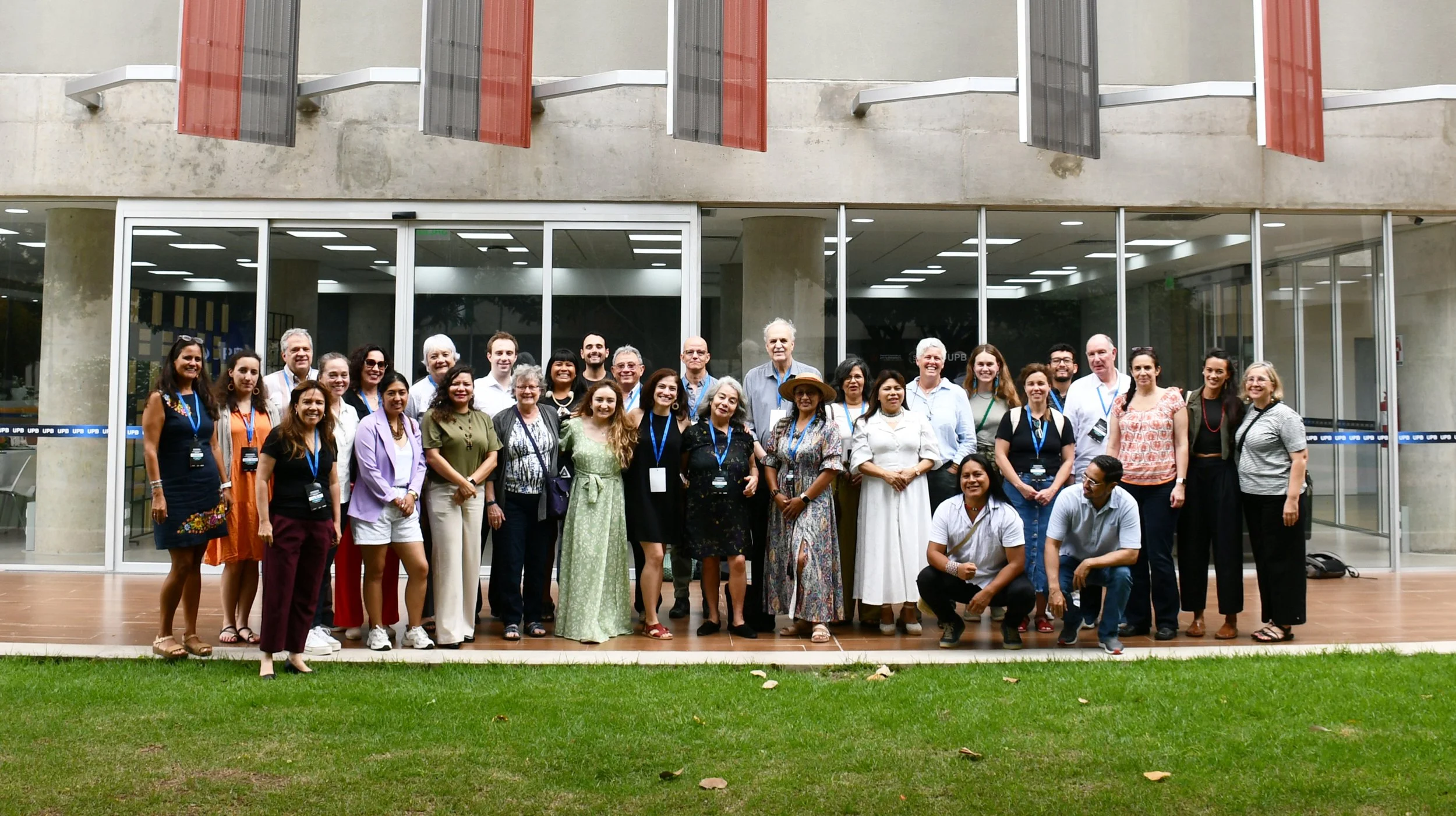
From March 2 to 5, 2026, the Science Panel for the Amazon (SPA) held its annual meeting in Santa Cruz de la Sierra, Bolivia. The SPA convened members of its leadership, Science Steering Committee, Lead Authors, Youth Advisory Committee (YAC), Bolivian members and Secretariat to discuss the most pressing issues facing the Amazon region. The meeting aimed to lay the foundations for the Panel’s strategic plan for the coming years.
Fourth Conference for the Amazon We Want
The gathering began on the morning of March 2, when the SPA — with the support of the Universidad Privada Boliviana (UPB) and SDSN Bolivia — hosted the Fourth Conference for the Amazon We Want. This event continued the legacy of previous editions held in Belém in 2023, Bogotá in 2024, and Quito in 2025. For this edition, the SPA brought together government representatives, civil society organizations, and Indigenous leaders from Bolivia to discuss urgent issues affecting the Amazon. Valeria Bacarreza, Presenter and Head of Design at Conservation Strategy Fund served as Master of Ceremonies.
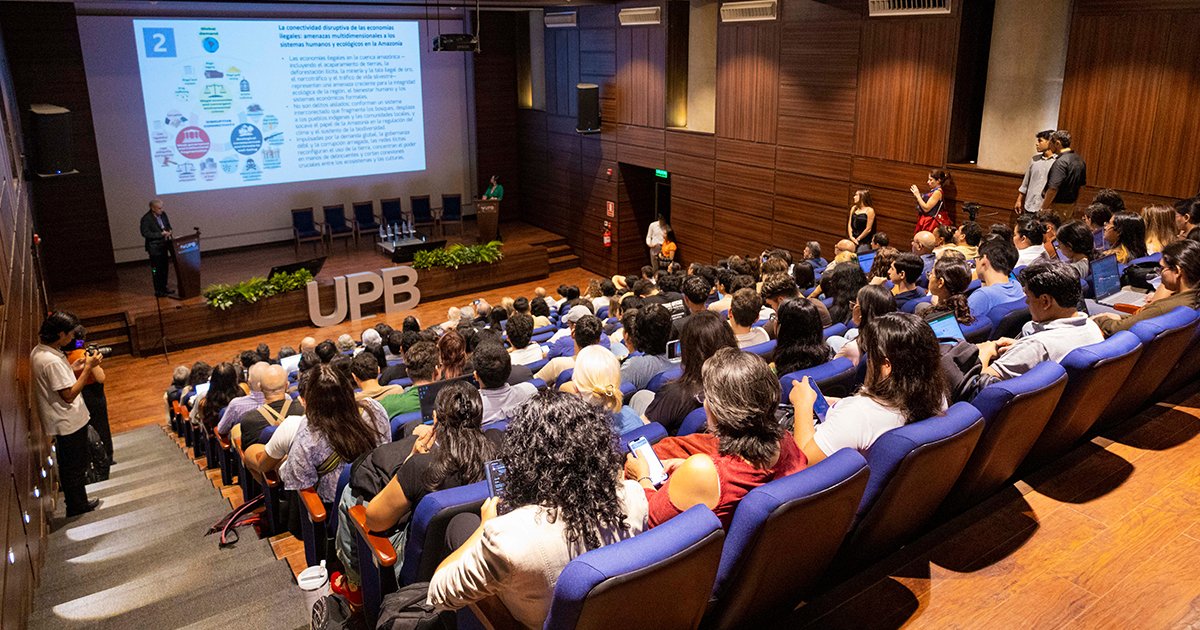
Carlos Nobre, SPA Co-Chair, Opening Remarks
Opening Remarks
The event opened with welcoming remarks from Dr. Oscar Molina Tejerina, Rector of UPB Bolivia and President of SDSN Bolivia, who spoke about the university’s efforts and those of the UN Sustainable Development Solutions Network (SDSN) Bolivia to advance sustainable development, as well as their engagement strategies with public and private institutions.
The conference continued with opening remarks from Emma Torres, Vice President of the Americas and Strategic Partnerships for the SDSN and Strategic Coordinator of the SPA. She highlighted Bolivia’s importance for the region and the Panel’s critical role as the Amazon approaches a potential tipping point. She also emphasized the importance of developing the SPA Strategic Plan with a view toward 2030, a key year for the Sustainable Development Goals (SDGs) and for global efforts to mitigate climate change. Following her remarks, José Luis Llanos Rocha, Vice Minister of Strategic Planning, delivered remarks on behalf of the Ministry of Development Planning and Environment, highlighting the government’s current efforts related to sustainable development in the Bolivian Amazon.
The event continued with the keynote address by Ana Marietta Colanzi Forfori, Executive Director of the National Forest Development Fund (FONABOSQUE). Her remarks emphasized the importance of the Bolivian Amazon for the region and the world, and what she described as the “non-negotiable mandate to protect it.” She highlighted the state’s commitment to financing the sociobioeconomy as a clear strategy for conserving the Amazon, calling it “a scientific, moral, and vital imperative.” Following this address, Dr. Carlos Nobre, SPA Co-Chair, delivered a keynote intervention focused on the Amazon’s proximity to a tipping point and the crucial role that science, together with Indigenous and Local Knowledge, can play in preventing it.
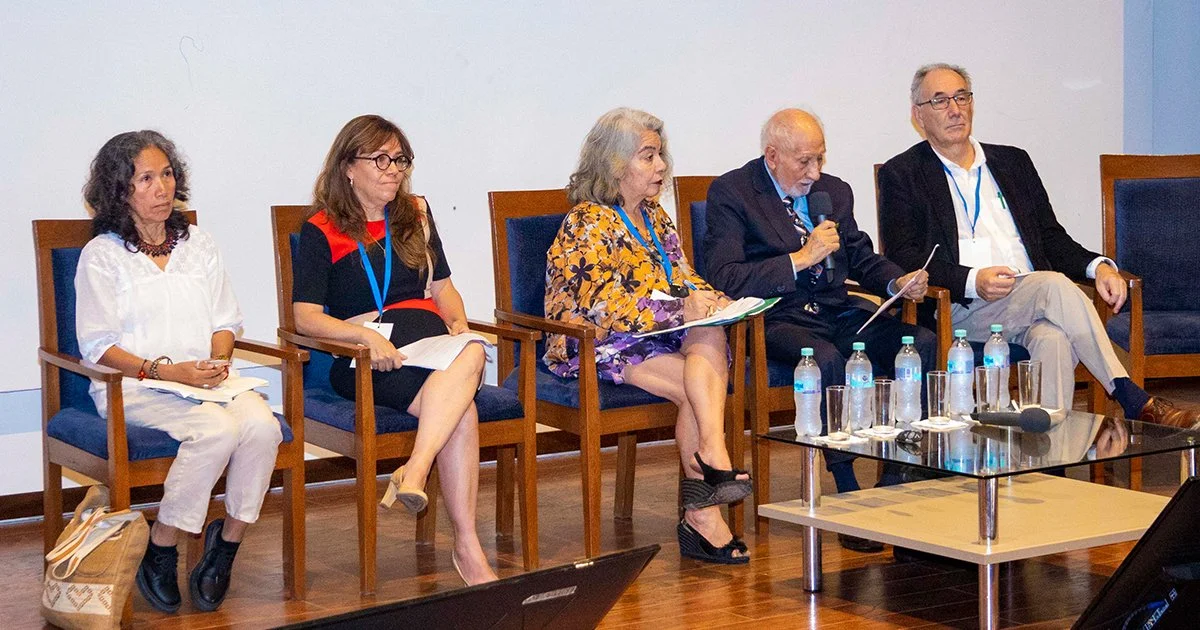
First discussion panel - Fourth Conference for The Amazon We Want
The Amazon Approaching a Tipping Point: Political, Environmental, and Disruptive
The first discussion panel of the conference focused on the theme “The Amazon approaching a tipping point: political, environmental, and disruptive.” Emma Torres served as moderator, welcoming a panel of experts including Dr. Manuel Arellano Ramírez, President of the National Academy of Sciences of Bolivia; Dr. Lilian Painter, Director of WCS Bolivia and SPA Lead Author; Ana Marietta Colanzi Forfori, Executive Director of FONABOSQUE; Ruth Alipaz, Indigenous and environmental rights defender and SPA Contributing Author; and Eduardo Forno, Executive Director of Conservation International Bolivia.
Discussions during this panel underscored the urgency of enacting laws that enable sustainable development in the Amazon while maintaining Amazonian connectivity. Participants discussed the major threats currently affecting the region, including deforestation and degradation, inconsistencies in public policy, mining, illegal activities, large hydroelectric projects, and fossil fuel exploration and extraction, all of which have profound socio-environmental impacts. The panel also emphasized the need to halt deforestation, strengthen capacity, promote intercultural dialogue among key actors — including governments and the private sector — and support solutions already being implemented in the territories, such as ecotourism.
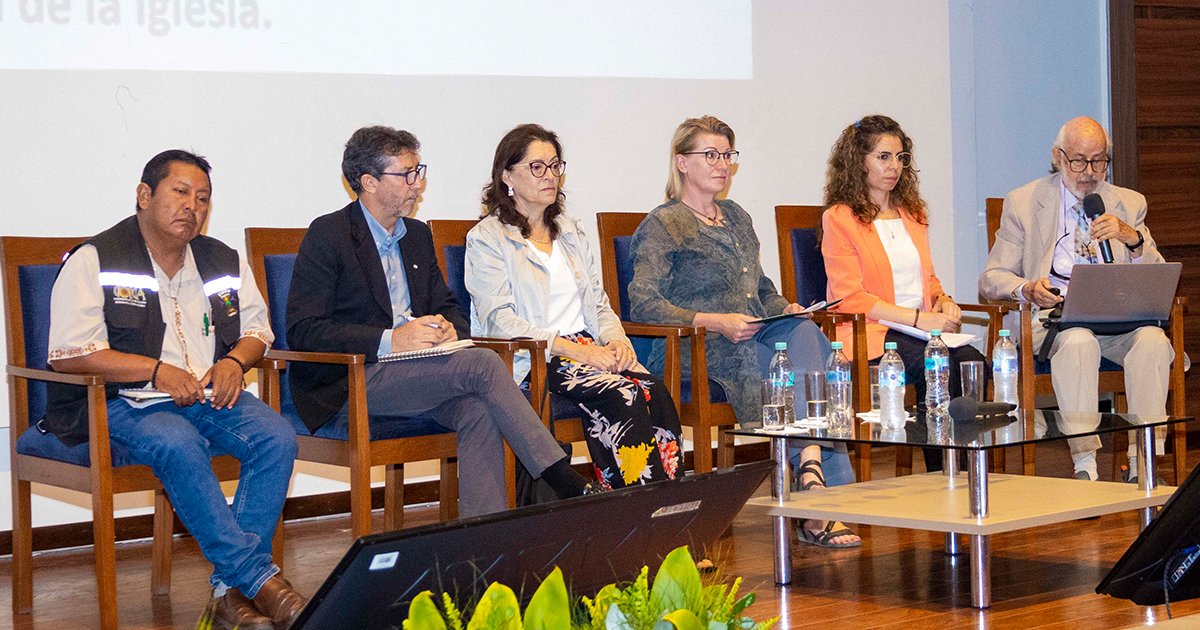
Second discussion panel - Fourth Conference for The Amazon We Want
Connectivity in the Amazon: Threats, Opportunities, and Collective Pathways for Action
The second panel of the conference, “Connectivity in the Amazon: threats, opportunities, and collective pathways for action,” was moderated by Dr. Lykke Andersen, Executive Director of SDSN Bolivia. Participants included Dr. Mónica Moraes, Professor and Researcher at the National Herbarium of Bolivia and the Universidad Mayor de San Andrés (UMSA), and SPA Lead Author; Alfonso Llobet Querejazu, Senior Director of Strategic Operations at WWF Bolivia; Ana Lía Gonzáles Carrasco, Project Manager at Fundación Amigos de la Naturaleza (FAN Bolivia); Dr. Jorge Ibarnegaray Urquidi, Professor of Bioethics at the Universidad Católica Boliviana and Professor of Philosophy of Nature at the Institute for Theological Studies of the San Lorenzo Seminary; and Tomás Candia, Confederación de Pueblos Indígenas del Oriente Boliviano (CIDOB).
This dialogue shared key insights from the SPA’s 2025 Amazon Assessment Report (AR2025), launched late last year at the 30th Conference of the Parties (COP30), which places Amazonian connectivity at the center of the discussion. Connectivity is essential for sustaining climate and water cycles, biodiversity, and the livelihoods of peoples, not only for the region but also for the world. The discussion revisited several of the threats raised in the previous panel, noting that they contribute to basin fragmentation. Participants also discussed activities to maintain socio-cultural and ecological connectivity, including technological innovation, financing mechanisms, stakeholder dialogue — including Indigenous Peoples and Local Communities — strengthening territorial governance, community-based monitoring, improved management of protected areas across categories, and the development and restoration of ecological corridors. The panel concluded with an important reflection on the ethical and moral responsibility involved in protecting the Amazon.
Closing Remarks
Following the panel discussions, Dr. Martín von Hildebrand, Secretary-General of the Amazon Cooperation Treaty Organization (ACTO), joined virtually to reaffirm ACTO’s commitment to the conservation and sustainable development of the Amazon. He emphasized the importance of interinstitutional and transboundary collaboration, as well as dialogue that interweaves Western science with Indigenous and Local Knowledge systems.
To close the Fourth Conference for the Amazon We Want, Dr. Marielos Peña-Claros, SPA Co-Chair, delivered concluding remarks that brought together the key ideas raised throughout the panels and speeches. She emphasized that Amazonian connectivity is a central solution to the global climate crisis, and invited the audience to reflect on collective aspirations for the Amazon. She stressed that these aspirations can only be achieved through intercultural and interinstitutional dialogue that brings all key actors to the table. Only through collective action, she noted, will it be possible to maintain the Amazon’s socio-cultural and ecological connectivity.
As participants exited the auditorium, they viewed a series of scientific posters displayed outside the theater, prepared by university students and representatives of civil society organizations.
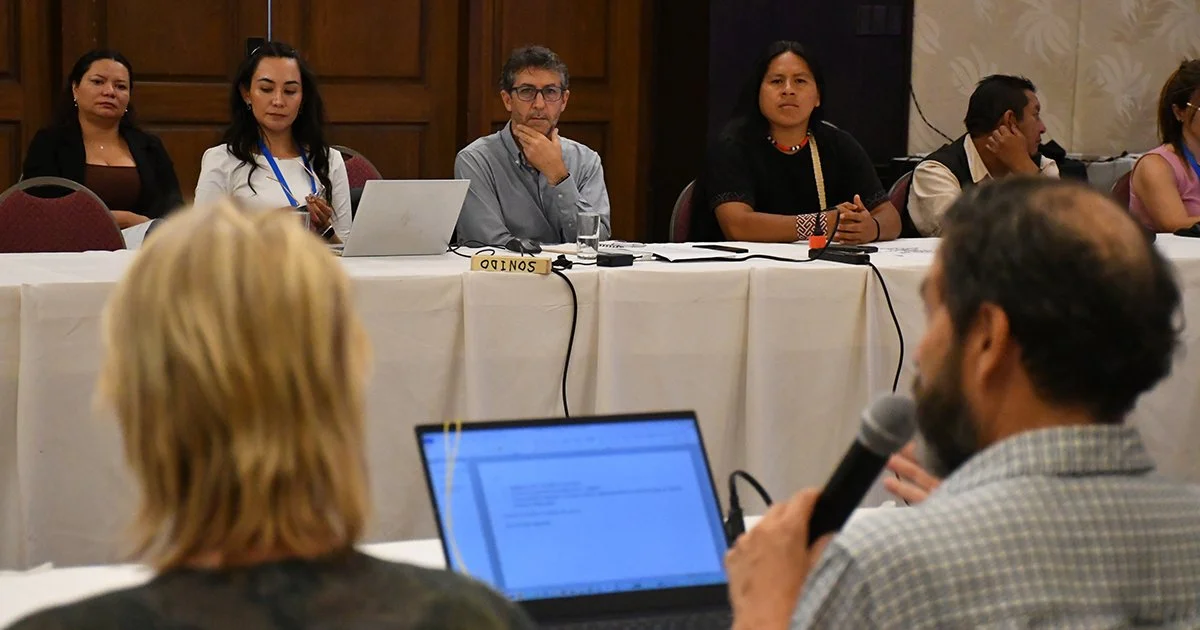
Civil society organizations meeting
Stakeholder Engagement Meetings
In the afternoon, the SPA continued with two additional meetings, making the most of its presence in Bolivia.
The first was a dialogue between the Panel and representatives of civil society organizations in Bolivia, aimed at discussing the main findings of the AR2025 and their implications for the country. Participants included representatives from a range of national and international organizations and academic institutions, including WWF, WCS, Conservation International, FAN-Bolivia, Conservation Strategy Fund (CSF), Conservación Amazónica ACEAA, Fundación para la Conservación del Bosque Seco Chiquitano (FCBC), Universidad Católica Boliviana, FONABOSQUE, and Ecoconsult, as well as Indigenous organizations such as the Coordinator of Indigenous Organizations of the Amazon Basin (COICA) and the Confederation of Indigenous Peoples of Eastern Bolivia (CIDOB).
The meeting addressed several critical issues for the Bolivian Amazon, including the main drivers of deforestation, the expansion of narcotrafficking and mining in Amazonian territories, the impacts of agricultural expansion and contamination on water quality, as well as challenges related to territorial governance, land invasions, and the protection of Indigenous territories.
Among the main conclusions was the importance of strengthening the scientific basis for decision-making, improving the availability and communication of technical information for policymakers, developing practical tools for community-based natural resource management, and promoting greater regional and transboundary cooperation to address shared challenges such as environmental crime and land-use change.
The day concluded with a meeting with representatives from the Bolivian financial sector, organized jointly with WWF Bolivia. The dialogue explored how scientific evidence can help guide investment and financial decision-making in the Amazon region. Participants included institutions from Bolivia’s financial system, such as the Banco de Desarrollo Productivo (BDP) and Capital+ SAFI.
During the discussion, SPA scientists presented key challenges facing the region, including the increasing frequency of droughts, fires, and floods associated with climate change, as well as the risk of reaching ecological tipping points if current deforestation trends continue. Participants also discussed alternatives to promote sustainable economies in the Amazon, such as strengthening sociobioeconomies, developing biodiversity-based value chains, and supporting landscape restoration initiatives. There was broad agreement that the financial sector can play a critical role in the transition to more sustainable production models by developing innovative financial instruments, enhancing investment traceability, and supporting economic activities that reduce pressure on forests while strengthening local economies.
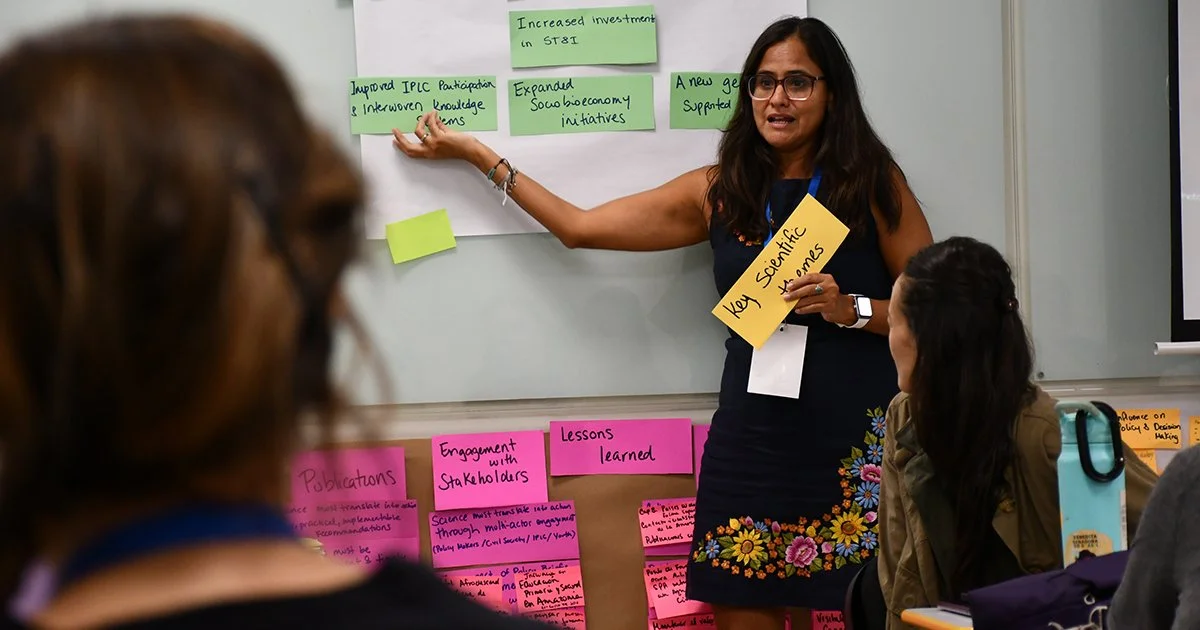
Gabriela Salinas, workshop facilitator
Strategic Planning Workshop
From March 3 to 5, the SPA held its 2026–2030 Strategic Planning Workshop at the facilities of UPB in Santa Cruz. This collaborative working space aimed to define the Panel’s strategic direction for the coming years by reviewing recent lessons, agreeing on scientific priorities, and outlining products and working mechanisms to increase the impact of science on public policy for the Amazon. Participants also discussed proposals to strengthen the Panel’s governance, enhance strategies for stakeholder engagement and communications, and promote knowledge exchange with the other SDSN Tropical Forest Science Panels.
As the Amazon approaches critical ecological thresholds and the world nears a 1.5°C increase in global temperatures by 2030, the workshop focused on identifying priority scientific themes for the coming years to contribute to addressing these challenges. These include: connectivity, Amazon resilience and tipping points, climate change impacts, adaptation strategies and resilience, sociobioeconomies, illegal economies and social justice, and restoration. Additional complementary themes were also discussed, including financial mechanisms, socio-environmental health, contamination, food security, the urban Amazon, and the interweaving of Indigenous and scientific knowledge systems.
Finally, the gathering in Santa Cruz also marked the recording of two episodes of the second season of the Conversations for the Amazon We Want podcast, an initiative led by the SPA Youth Advisory Committee (YAC).
Four days of meetings, collaboration, and exchange marked a significant step forward for the Panel. They created new partnership opportunities and strengthened the SPA’s presence in the region. Engagements with civil society, academia, and the financial sector — together with dialogues involving public and private representatives — set the stage for the work ahead: transboundary, multi-actor initiatives grounded in intercultural dialogue and holistic solutions rooted in local realities. The interweaving of science with Indigenous and Local Knowledge was a central focus, alongside the voices of youth and the importance of sustaining intergenerational conversations. The Santa Cruz gathering was, without a doubt, another milestone on the path toward #TheAmazonWeWant.
