
Science Panel for the Amazon at TEDxAmazônia 2026: Where Everything Connects
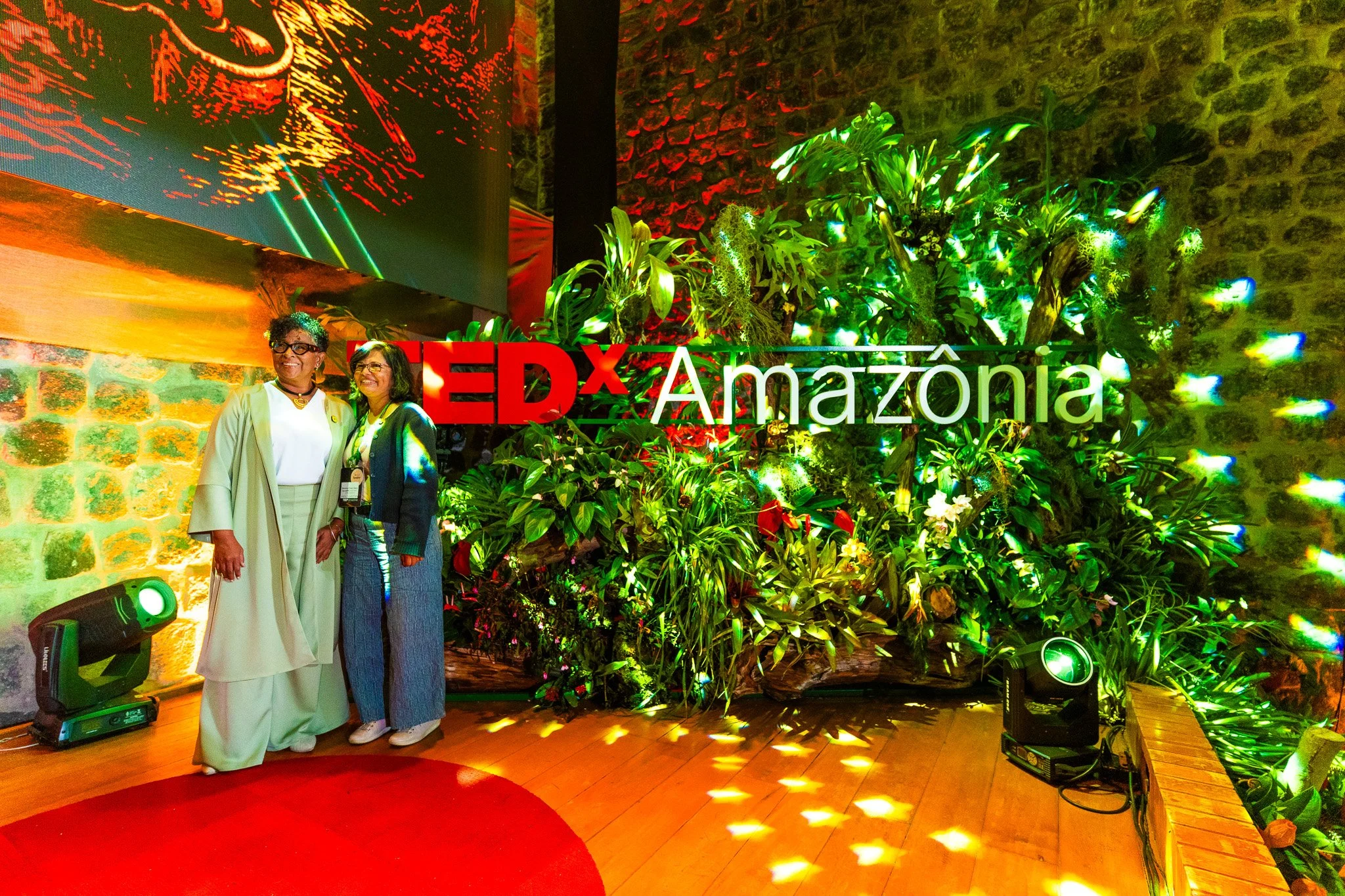
From August 27 to 30, 2026, TEDxAmazônia was held outside Brazil for the first time, bringing 30 speakers from across the region to Baños de Agua Santa and Puyo, Ecuador. Under the theme "Donde todo se conecta" (Where Everything Connects) scientists, Indigenous leaders, artists, and practitioners explored the connections between knowledge, culture, development, and climate action.
The Science Panel for the Amazon (SPA) took part as an official Knowledge Partner. SPA Co-Chair Marielos Peña-Claros and SPA Lead Authors Ana María Durán and Martha Rosero-Peña spoke as part of the official program. SPA Member Belén Páez contributed through the TEDxAmazônia Brain Trust, and Meset Fernando Mashingashi Unkuch, of the SPA's Youth Advisory Committee (YAC), attended as an SPA representative.
"Where water is born, life is born"
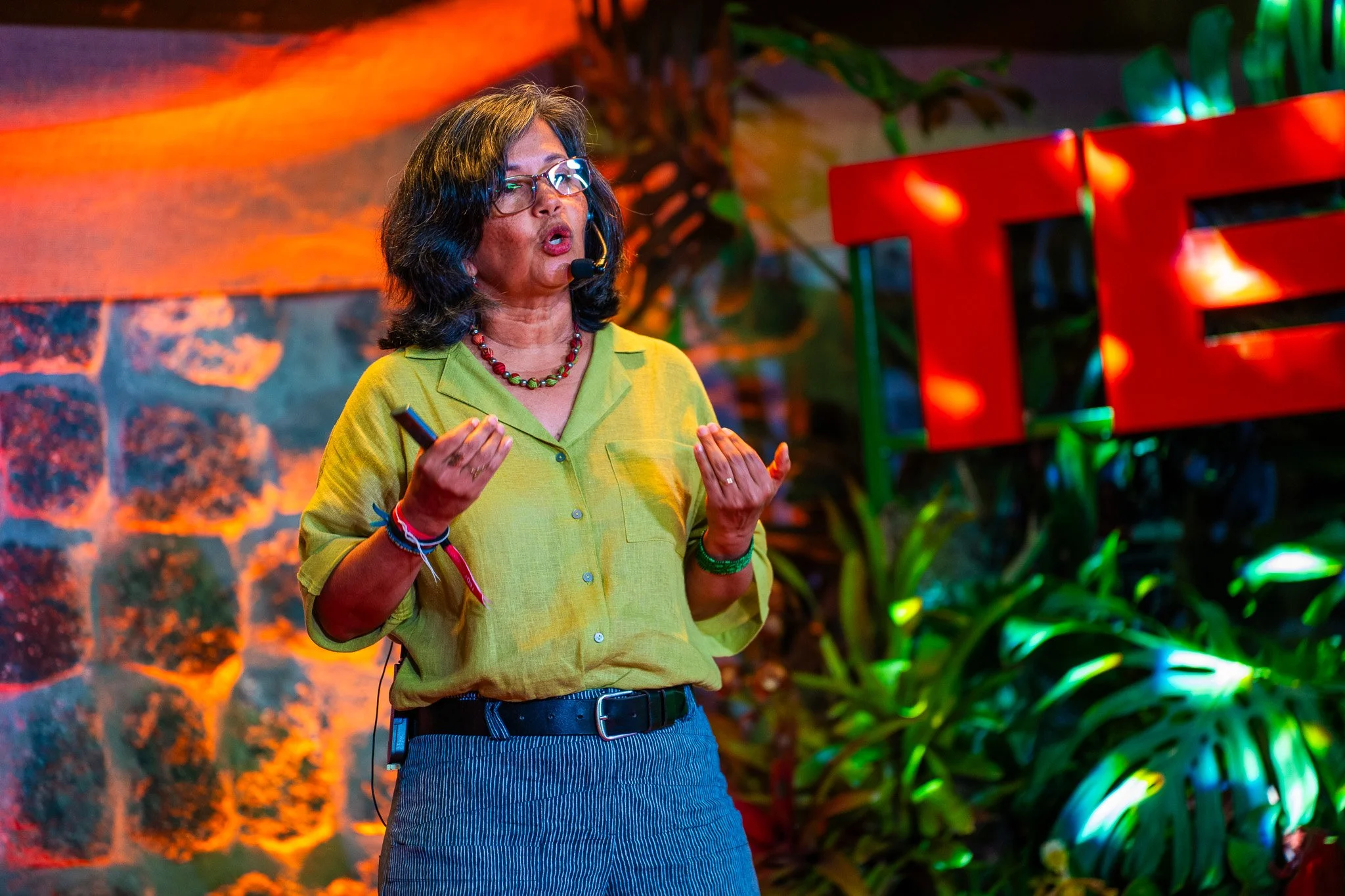
With this message, Marielos Peña-Claros invited the audience to reflect on a fundamental question: where does water come from? She spoke during the first session of TEDxAmazônia on August 27.
Her talk explored ecological and sociocultural connectivity as essential to understanding the Amazon. Peña-Claros described the region as a backbone for the circulation of water, carbon, nutrients, and life, connecting forests, the atmosphere, the Andes, rivers, communities, and cities. Through evapotranspiration, Amazonian forests release moisture that travels across the continent, contributing to the flying rivers. Rainfall also feeds Andean-Amazonian rivers and ultimately the Amazon River system, showing how water connects ecosystems and societies far beyond the boundaries of the forest.
These processes shape daily life in South American cities. In 2024, severe drought contributed to an energy crisis in Ecuador, leading to widespread power disruptions, while Bogotá (Colombia) experienced water rationing for more than a year.
But connectivity, she stressed, is not only ecological. The deep relationships Indigenous Peoples and Local Communities maintain with their territories are also a foundation of the Amazon's sociocultural connectivity. At the same time, threats such as illegal mining can move through those same interconnected systems when mercury enters waterways and affects ecosystems and communities downstream.
She closed with a simple invitation: drink water with your eyes closed and imagine the journey taken by every drop, from the ocean, through the forest, rain, and rivers, until it becomes part of us. In this way, she brought the idea of connectivity into everyday life: the water we drink connects us to the Amazon and to the systems that sustain life.
Watch Marielos Peña-Claros's TEDx Talk, starting at 1:03:00.
Read her Mongabay interview at TEDx.
Rethinking how cities coexist with the forest
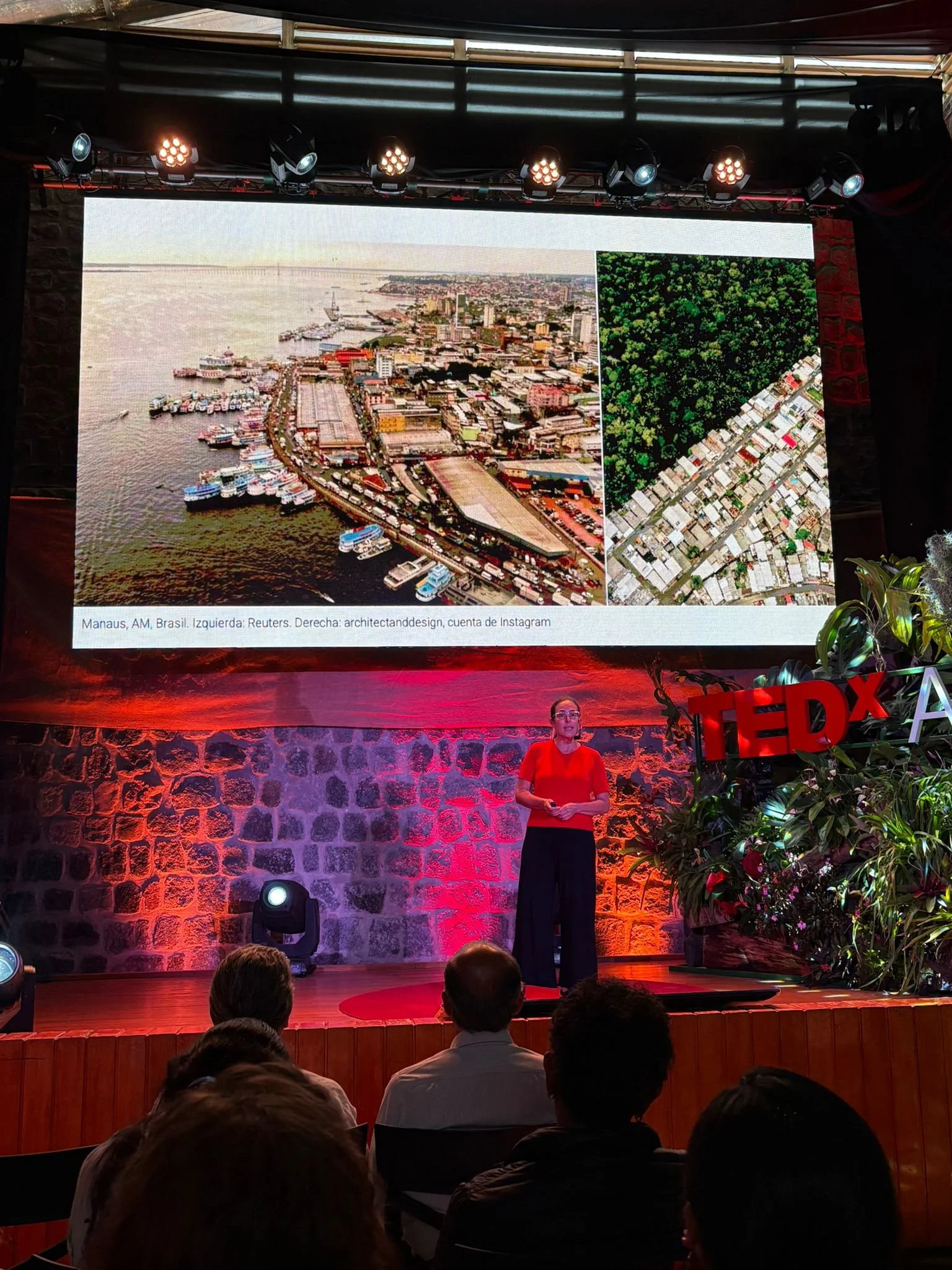
On August 29, Ana María Durán turned the discussion toward the Amazon’s urban future. Her talk highlighted that tens of millions of people inhabit the Amazon and that most of its population now lives in urban areas, even though many Amazonian cities remain relatively small.
Durán examined how extractive activities have contributed to urban expansion and how large infrastructure projects have often disrupted ecosystems and cultures. At the same time, she challenged the idea that cities must necessarily develop in opposition to the forest. Her presentation looked instead toward ancestral principles of inhabiting the Amazon, highlighting complex societies and forms of low-density agrarian urbanism, garden cities, distributed and polycentric networks, and interconnected urban agroecologies (see more in the SPA Policy Brief Sustainable Cities and Towns in the Amazon).
She briefly referenced Ailton Krenak’s concept of “Forest Cities” and Michael Heckenberger’s work on complex Amazonian settlements, reflecting on relationships between people, territory, and nature, reinforcing the possibility of imagining urban futures based on coexistence rather than separation.
For Durán, it’s precisely through Indigenous and local knowledge that a just transition can be achieved: connecting water and food systems with education, cultural spaces, and new economic opportunities, helping Amazonian cities build sociobioeconomies and buen vivir (good living) while maintaining their relationship with the forest.
Watch Ana María Durán's TEDx Talk, starting at 00:35:00.
Making Afrodescendant histories visible
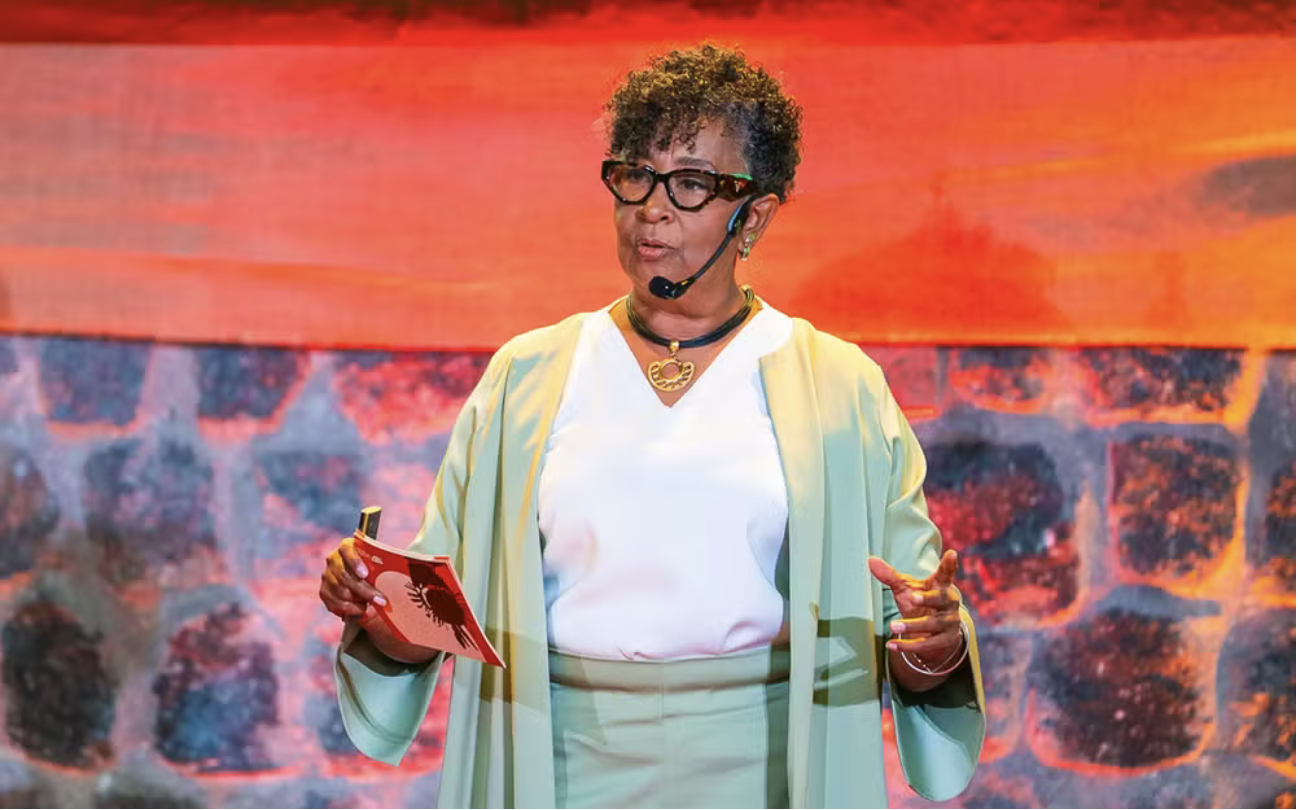
Martha Rosero-Peña posed a different question to the audience: “What faces come to mind when we hear the word Amazon? Who do we imagine living there?” She explored these ideas during her presentation on August 30 in Baños, Ecuador.
Her talk invited the audience to recognize a face that is often absent from dominant representations of the region: an Afrodescendant face, representing the Black presence in the Amazon.
Martha highlighted the deep connection of Afrodescendant Peoples with Amazonian history, including tribal communities in Suriname, Afrodescendant communities in Guyana and French Guiana, Afro-Bolivian communities in the Yungas, quilombola communities in Brazil, and Afrodescendant communities in many parts of Colombia. She emphasized the role of Afrodescendant Peoples in conserving forests, as documented in a recent study she co-authored, published in Communications Earth & Environment, a Nature Portfolio journal.
Her presentation also recalled how forests became spaces of resistance and freedom for people of African descent. Over time, knowledge and practices brought from Africa interacted with knowledge already present in South America, leaving a historic legacy that can be seen in agricultural and food systems across the continent, from quilombola gardens in Brazil and agrobiodiverse systems in Colombia, to forest and food traditions in Suriname.
For Martha, conservation goes beyond protecting forests and water. It is also about protecting freedom, prosperity, identity, and cultural continuity, while leaving a living, standing forest for future generations. Afrodescendant Peoples therefore play a fundamental role in these conservation processes, bringing a different face and perspective to how we understand the Amazon.
Watch Martha Rosero-Peña's TEDx Talk, starting at 00:43:40.
Connecting knowledge, territories, and generations
SPA's contribution to TEDxAmazônia also extended beyond the stage. SPA Member Belén Páez participated in the TEDxAmazônia Brain Trust, supporting Knowledge Partners and curators in identifying speakers, developing content and themes, and connecting people and networks.
SPA Youth Advisory Committee member Meset Fernando Mashingashi Unkuch, researcher and journalist and member of the Shuar People, participated in the full experience of the event. In a post-event reflection, Meset shared what he took away from TEDxAmazônia as a young Indigenous person. For him, Indigenous territories are not simply places where natural resources exist, but spaces of life, culture, knowledge, memory, and distinct ways of relating to nature.
“For me, one of the most important lessons from TEDxAmazônia was to remember that talking about sustainable development means considering three dimensions that cannot be separated: the economic, the social, and the environmental,” he stated. “One of the great challenges I take with me as a young Indigenous person is how to build development models that do not force us to choose between economy, well-being, and nature, but allow these dimensions to interact from within our own realities.”
Meset also emphasized the importance of Indigenous Peoples managing their own economic, social, cultural, and environmental assets and making decisions that benefit their territories and future generations. TEDxAmazônia was not only a space for sharing knowledge, but also for connecting ideas, experiences, and questions about the kind of Amazon they want to build.
Across these different perspectives, the TEDxAmazônia theme became tangible: water connects forests and cities; history connects communities and landscapes; and scientific, traditional, and intergenerational knowledge offer complementary ways of imagining the Amazon's future.
As a Knowledge Partner, the Science Panel for the Amazon contributed to this dialogue by reinforcing a central idea that guides its work: the Amazon cannot be understood in fragments. Understanding and maintaining its ecological and sociocultural connectivity is essential for the region and far beyond it.
